
Steps to Recover Lost Crypto Funds
Cryptocurrency has revolutionized the financial system. It offers a new way to manage digital assets. But with innovation comes risk.
Losing crypto funds can be devastating. The decentralized nature of cryptocurrencies means transactions are irreversible. This makes recovery challenging.
Victims of crypto theft often feel helpless. However, there are steps to recover lost or stolen cryptocurrency. Understanding these steps is crucial.
Private keys and wallet addresses are vital. They are the keys to your digital assets. Losing them can result in lost funds.
Acting quickly is essential. The sooner you respond, the better your chances of recovery. Time is of the essence.
Reporting the loss is a critical step. Platforms like Broker Complaint Alert (BCA) can assist. Law enforcement can also play a role.
Recovery services may offer help. But caution is needed to avoid scams. Choose reputable services for asset recovery.
This guide will explore the recovery process. It aims to empower victims and provide practical advice. Let’s dive into the steps to recover crypto funds.
Understanding the Decentralized Nature of Crypto and Why Funds Get Lost
Cryptocurrencies operate on a decentralized network. This is the key innovation that sets them apart from traditional financial systems. In decentralization, there’s no central authority to oversee or reverse transactions.
This decentralized nature can be a double-edged sword. While it offers autonomy, it also poses risks. Losing access to your funds is one significant risk.
When you lose your private keys, you lose access. Private keys are necessary to manage your crypto assets. Without them, the funds are effectively lost.
Additionally, wallet addresses are crucial. They act as unique identifiers in the blockchain ecosystem. Mistakes in wallet addresses can lead to funds being sent to the wrong destination.
Here’s a quick checklist of common reasons funds get lost:
- Mismanagement of private keys
- Sending funds to incorrect wallet addresses
- Falling victim to phishing scams

Moreover, the irreversible nature of transactions adds complexity. Once confirmed, transactions cannot be undone. This makes careful handling vital in crypto dealings.
Understanding these aspects can help protect your assets. Being informed is the first step in safeguarding against potential losses.
Common Causes of Lost or Stolen Cryptocurrency
Cryptocurrency losses occur for various reasons. Not all are due to theft; some result from human error. Understanding these causes can mitigate risks.
One major cause is phishing scams. Scammers trick users into revealing private keys. Once accessed, funds are transferred to the scammer’s control.
Losing access through device theft is another issue. If your device holding wallet information is stolen, your crypto can be at risk. Always secure devices and backups.
Mistakes in entering wallet addresses also lead to losses. Even a single incorrect character can send funds to the wrong address. Double-checking details before transactions is crucial.
The common causes of losing crypto include:
- Phishing scams targeting users
- Theft of devices containing wallet access
- Inputting incorrect wallet addresses
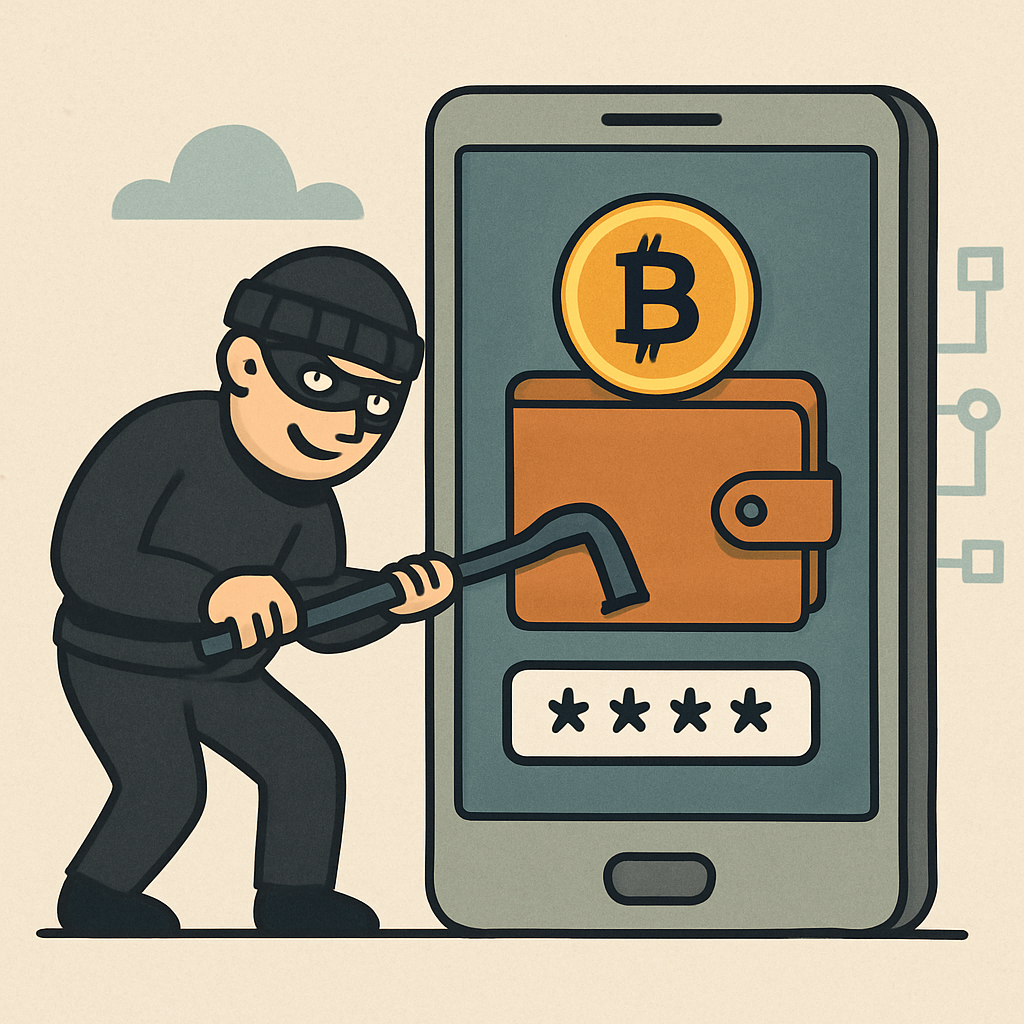
Furthermore, some rely too heavily on online wallets. These wallets, when connected to the internet, can be vulnerable to hacking. It’s advised to use offline or hardware wallets for added security.
In summary, awareness and caution are critical. Educating oneself on these causes can safeguard your digital assets.
Immediate Steps to Take After Discovering Lost Funds
When you first realize funds are missing, remain calm. Panic can lead to hasty, unwise actions. Start by assessing the situation carefully.
First, verify your transaction history. Double-check wallet activity and transaction IDs. Confirm whether the funds were truly lost or mistakenly assumed missing.
Next, change passwords and security settings immediately. If possible, enable two-factor authentication. This step is crucial for securing any remaining assets.
Document every detail regarding the incident. Note down transaction IDs, wallet addresses, and any unusual activities. This information is vital for reporting and potential recovery efforts.
Consider reaching out to your wallet provider or exchange. Some platforms offer support or guidance in such situations. They might help trace the lost funds or provide additional steps to secure your account.
Immediate steps include:
- Checking transaction history
- Changing passwords
- Documenting the incident
- Contacting the wallet provider
Lastly, report the loss to appropriate authorities. If theft is suspected, file a report with law enforcement. Mention resources like BrokerComplaintAlert.org for further assistance.
Acting swiftly increases your chances of recovery. Delays can make tracing and recovering funds more difficult. Stay vigilant and informed about best practices in crypto security.
Documenting the Incident: What Information You Need
Accurate documentation is critical when you discover crypto funds are lost. This information supports recovery efforts and aids in reporting to authorities.
Start by collecting transaction details. Keep a record of transaction IDs involved. These IDs help trace the movement of lost or stolen cryptocurrency.
Next, note down all wallet addresses in question. This includes both sending and receiving addresses. Wallet addresses act as fingerprints in the crypto world, vital for tracking assets.
Highlight any unusual account activities you noticed. This can include unexpected logins or changes to account settings. Such details might indicate a security breach.
Make sure to document your communications with any service providers. Keep a log of dates, times, and responses received. This record can be useful if further intervention is needed.
Your documentation should include:
- Transaction IDs
- Wallet addresses
- Unusual activity notes
- Service provider communications
Thorough documentation not only aids recovery efforts but can also assist in preventing future losses. Always keep records secure and accessible.
Reporting the Loss: Law Enforcement and Broker Complaint Alert (BCA)
Reporting the loss of cryptocurrency is a crucial step in the recovery process. Acting swiftly can increase the chances of asset recovery.
First, notify local law enforcement agencies. Many agencies have become adept at handling cases of crypto theft. Provide them with all documented information, including transaction IDs and wallet addresses.
Next, report the incident to platforms like Broker Complaint Alert (BCA). BrokerComplaintAlert.org provides victims with resources and guidance for asset recovery. Their experience can be invaluable for tracking lost funds.
Detail all suspicious activities that occurred before, during, and after the loss. This information can help pinpoint security vulnerabilities. Both law enforcement and BCA rely on detailed reports to understand the incident better.
Stay in regular contact with authorities and BCA. Frequent updates ensure that you’re informed about progress and potential leads. Collaboration is key in the recovery process.
Steps to Report Your Loss:
- Contact local law enforcement with necessary documentation.
- Report to BrokerComplaintAlert.org via their online platform.
- Provide comprehensive details of the incident.
By following these steps, you can enlist vital support in reclaiming your lost or stolen cryptocurrency. Protecting your digital assets requires vigilance and prompt reporting.

How Crypto Recovery Services Work
Crypto recovery services play a significant role in retrieving lost funds. They use various strategies to track and recover lost or stolen cryptocurrency.
These services often begin with blockchain analysis. By examining transaction IDs and wallet addresses, they trace the movement of lost assets. Blockchain’s transparency allows for detailed transaction tracking.
Next, they identify possible security breaches. This may involve analyzing how the user was connected to the internet when the theft occurred. Identifying vulnerabilities is crucial to prevent future losses.
Additionally, crypto recovery services employ experts in digital forensic techniques. These professionals gather information and evidence that assist law enforcement in the recovery process. The technical expertise of these services can significantly aid in asset recovery.
However, not all recovery services are legitimate. Caution is necessary when choosing a provider. Be wary of services demanding upfront fees without guarantees.
Key Features of Crypto Recovery Services:
- Employ blockchain analysis for tracing.
- Provide digital forensics expertise.
- Collaborate with law enforcement agencies.
- Offer transparent progress updates.
Choosing the right recovery service can significantly impact your chances of reclaiming lost funds. Proper research and due diligence are imperative.

Evaluating and Choosing a Reputable Recovery Service
Selecting the right recovery service is crucial for recouping lost or stolen cryptocurrency. Start by researching potential providers thoroughly.
Check for reviews and testimonials. Genuine customer feedback can reveal the effectiveness and reliability of a service. Look for detailed experiences and outcomes to help inform your decision.
Verify the service provider’s credentials. Certifications and partnerships with known cybersecurity firms add credibility. Ensure their methodologies are transparent and adhere to industry standards.
Evaluate their communication practices. Reputable services provide regular updates and are open about their strategies and progress. Lack of transparency can be a red flag.
Beware of any service with upfront fees. Legitimate providers typically charge based on successful recovery. Protect yourself by confirming their fee structure and terms before committing.
Tips for Selecting a Recovery Service:
- Seek recommendations from trusted sources.
- Look for services with a proven track record.
- Confirm they offer secure, confidential handling of your data.
Careful selection helps ensure you engage with a reliable recovery service. This vigilance can significantly enhance your prospects of reclaiming lost assets.
The Role of Blockchain Analysis in Asset Recovery
Blockchain analysis plays a critical role in recovering lost or stolen crypto funds. This technology allows for tracking transactions across the digital ledger.
Every transaction creates a permanent record. By examining these records, analysts can trace the movement of assets. This data is invaluable for uncovering where your funds have traveled.
Advanced software tools enhance this process. They assist in identifying connections between wallet addresses and suspicious activities. Analysts use these insights to pinpoint the possible destination of stolen assets.

However, success in asset recovery varies. It relies on how quickly you act after realizing your funds are missing. Prompt action increases the chances of effective tracking.
Key Elements of Blockchain Analysis:
- Analyzing transaction patterns
- Identifying linked wallet addresses
- Using advanced software for tracing
Blockchain analysis can be both a challenge and an opportunity in asset recovery. Understanding its capabilities can empower victims in the complex world of digital assets.
Legal Avenues and the Role of Law Enforcement
Legal avenues for recovering lost or stolen cryptocurrency can be complex. The decentralized nature of crypto means challenges abound. However, understanding these legal routes is crucial.
Law enforcement agencies are increasingly involved in crypto theft cases. They have become more skilled at tracing crypto transactions. Cooperation with law enforcement can prove beneficial.
It’s essential to report any theft as soon as possible. Delays can complicate the recovery process. Fast action can lead to better outcomes.
Legal advice can guide victims through the complexities of crypto recovery. Experts can offer insights into rights and options available. Knowing the legal implications can make a significant difference.
Key Actions to Consider:
- Report theft to authorities immediately
- Seek legal advice to understand rights
- Collaborate with law enforcement agencies
Victims should gather all pertinent information before approaching the law. Preparedness strengthens the case. With the right support, legal channels can aid in asset recovery.
Preventing Future Losses: Best Practices for Crypto Security
Taking steps to secure your cryptocurrency is crucial. Implementing preventive measures can protect your assets. Awareness of common threats is the first line of defense.
Using hardware wallets is highly recommended. They store private keys offline, safeguarding against hacks. This step can significantly decrease the risk of theft.
Regularly update your wallet software. Security patches are essential for protection. Keeping software up-to-date prevents vulnerabilities.
Be cautious with email and online interactions. Phishing attacks often target crypto users. Verify sources before clicking any links or downloading files.
Enable two-factor authentication (2FA) on all accounts. This adds an extra layer of security. 2FA requires a second form of verification, reducing unauthorized access risks.
Best Practices for Securing Crypto:
- Use hardware wallets for storage
- Regularly update wallet software
- Enable two-factor authentication
- Beware of phishing scams
- Avoid sharing private keys

The crypto landscape is constantly evolving. Staying informed about security best practices is vital. Protecting your digital assets is an ongoing process.
Frequently Asked Questions About Crypto Recovery
Crypto recovery can be a confusing process. Many victims are unsure where to start. Answering some common questions can offer clarity.
How do I begin the recovery process? Start by documenting all details of the incident, such as transaction IDs and wallet addresses. Contact law enforcement and consider reporting to platforms like Broker Complaint Alert (BCA).
Can lost funds always be recovered? Unfortunately, recovery isn’t always guaranteed. It depends on various factors, including how quickly you act and the type of theft involved.
Common Questions:
- How do I start the recovery process?
- Can all lost funds be recovered?
- What details do I need to document?
What should I look for in a recovery service? Ensure they have a good reputation. Be wary of scams and verify their credentials carefully.
Conclusion: Staying Proactive in the Evolving Crypto Financial System
Navigating the world of cryptocurrency can be challenging. The decentralized nature of digital assets brings both opportunities and risks. Staying informed about security practices can greatly reduce the chances of loss.
Implementing proactive measures safeguards your crypto holdings. Consistently update your security practices to combat new threats. Utilizing hardware wallets and securing private keys are vital steps.
As the crypto financial system evolves, being vigilant becomes increasingly important. Engage with reputable services and stay connected with the crypto community. By doing so, you enhance your ability to respond effectively to any potential future threats.